
Catalytic Converter Theft Is Rising: Parking Lot Security Strategies That Actually Work
Catalytic converter theft can be stopped, or at least made significantly harder, by combining physical deterrents with active parking lot security measures.


Catalytic converter theft can be stopped, or at least made significantly harder, by combining physical deterrents with active parking lot security measures.
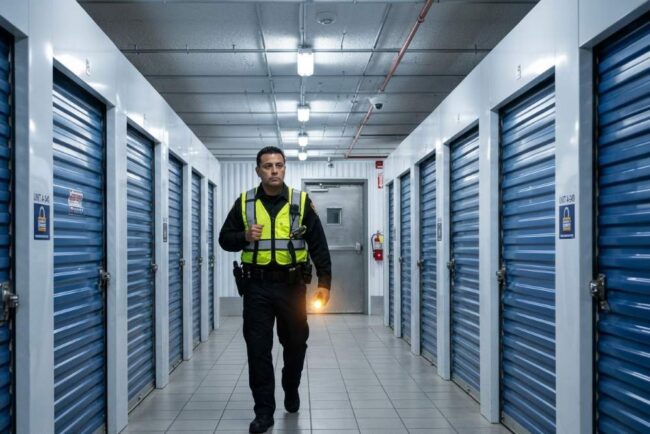
Self-storage facilities face a specific and persistent theft problem: units hold high-value property with minimal on-site supervision during off-hours.
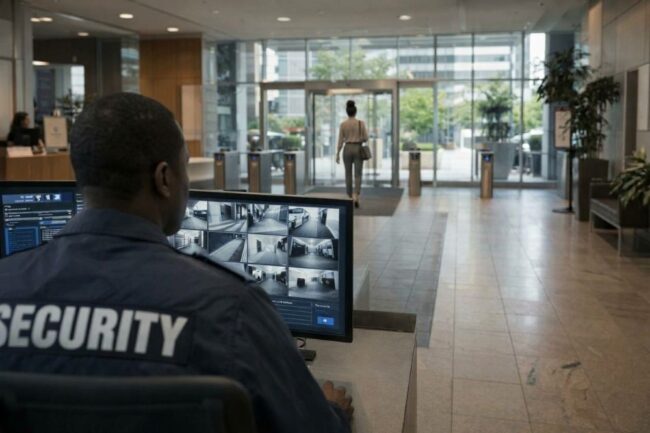
Effective office building security combines layered physical controls, trained personnel, and clear protocols to protect people, assets, and operations. When these elements work together, they dramatically reduce the risk of unauthorized access, theft, and workplace incidents.

Shrinkage is one of the most damaging financial threats facing retail businesses in the United States, and trained security guards are one of the most proven tools for fighting it.
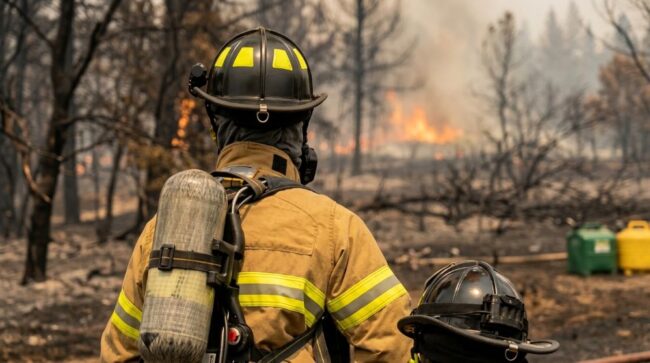
When a wildfire forces you to evacuate your Los Angeles property, your physical safety is the immediate priority, but your home does not stop being vulnerable the moment you leave.

Effective nightclub and bar security is the foundation of a safe, legally compliant venue that protects patrons, staff, and your liquor license. When security operations are well-planned, incidents are prevented before they escalate, and your guests enjoy the night without fear.

Security guards are one of the most effective frontline tools in workplace violence prevention, creating visible deterrents and rapid response capabilities that protect your staff.

A security risk assessment is a structured process that identifies vulnerabilities in your business and evaluates the likelihood and impact of potential threats. When done correctly, it gives you a clear roadmap for protecting your people, property, and data before incidents occur.

Warehouses are high-value targets for theft, and without a structured prevention strategy, losses can compound quickly across inventory, equipment, and employee productivity.

Fire watch is required in California when a building’s fire protection systems are impaired, out of service, or when specific high-risk conditions are present during construction, events, or occupancy.