
Warehouse Security Guide: How to Prevent Theft in Industrial Facilities
Warehouses are high-value targets for theft, and without a structured prevention strategy, losses can compound quickly across inventory, equipment, and employee productivity.


Warehouses are high-value targets for theft, and without a structured prevention strategy, losses can compound quickly across inventory, equipment, and employee productivity.

Fire watch is required in California when a building’s fire protection systems are impaired, out of service, or when specific high-risk conditions are present during construction, events, or occupancy.

When your business faces a sudden security gap, a one-time event, or a short-term project requiring on-site protection, temporary security guard services give you trained, professional coverage without a long-term contract commitment.
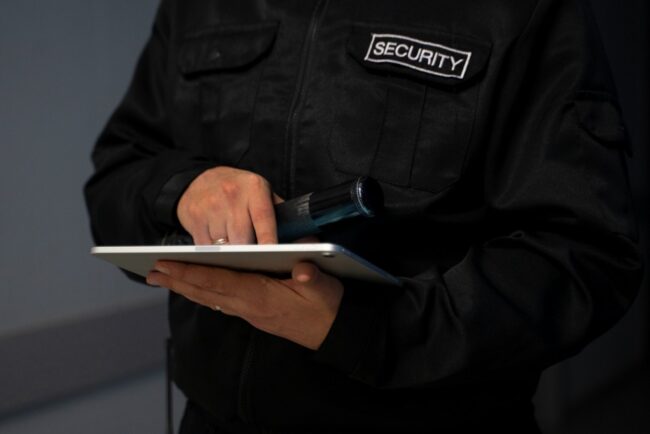
If you want to work as a security guard in California, you must obtain a guard card issued by the Bureau of Security and Investigative Services (BSIS). California Guard Card Requirements: BSIS Licensing Explained covers everything from eligibility and training hours to fingerprinting and renewal deadlines so you can enter the profession without costly delays.
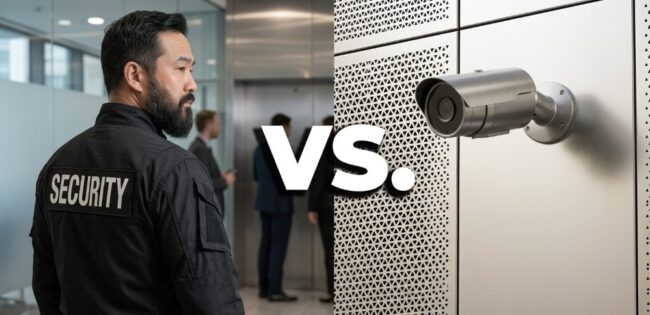
Security guards vs. cameras is one of the first questions property owners and facility managers across Los Angeles County and California ask when building a security plan. Both options play distinct, complementary roles: guards provide active deterrence and real-time response, while cameras provide continuous documentation and passive surveillance.

Security guard duties include access control, patrol, surveillance, visitor management, and incident reporting. Security guard responsibilities extend further, covering documented accountability for those tasks, adherence to written post orders, and compliance with California state licensing law.

Security guards in California operate under a specific and often misunderstood legal framework that sits firmly between ordinary citizens and sworn law enforcement officers.

Professional security guards reduce theft, liability, and workplace incidents while creating a safer environment for employees and customers alike. Understanding the top benefits of hiring professional security guards for commercial properties helps business owners make smarter decisions about where to invest their safety budgets.
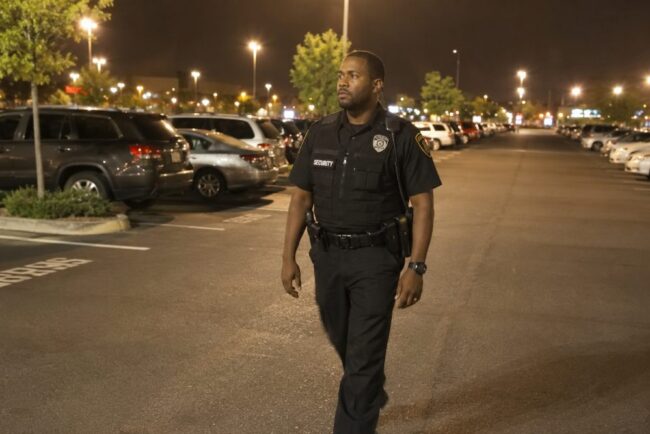
Parking lots are among the most vulnerable areas on any commercial or residential property, and professional parking lot security guard services significantly reduce the risk of vehicle theft, vandalism, loitering, and unauthorized access.

Most business owners think about security only after something happens. A break-in, a theft, an incident with an angry customer or a difficult employee. By then, you are reacting instead of planning.