

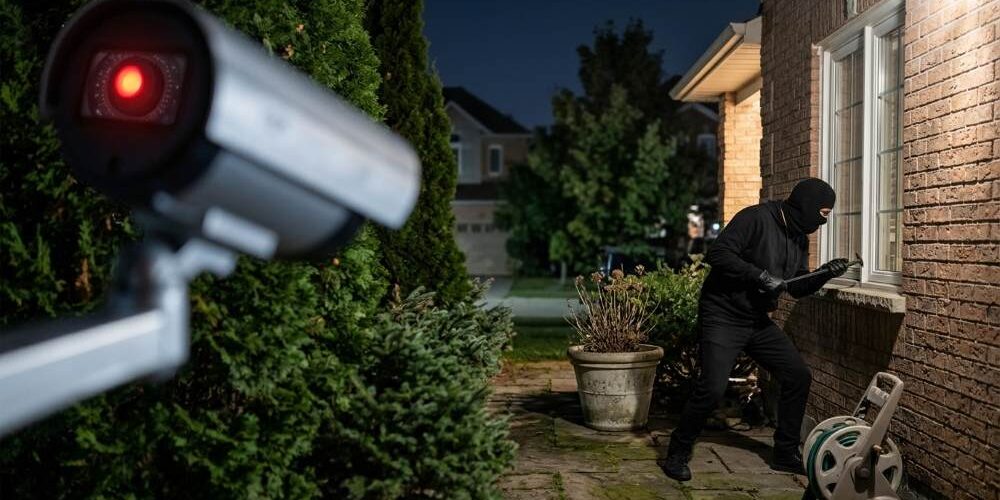
Gated communities reduce opportunistic crime by creating a visible barrier, but a gate alone does not constitute a security program. If your HOA is weighing whether to add professional security patrols, the short answer is: most mid-to-large communities benefit from them, particularly when gate access is automated or unmanned after hours.
This is a well-documented pattern in practice. Communities that rely entirely on keypad or fob entry often discover the gap when a tailgating incident or package theft cluster finally triggers a board meeting. The gate creates comfort. Patrols create deterrence.
Who this is for: HOA board members, property managers, and community residents in the United States who are actively evaluating whether to add or expand security patrol coverage in a gated community. Not for: individual homeowners looking for personal home security products or renters with no decision-making role in their community’s security policy.
Key Takeaways
- A gate controls access; it does not monitor behavior, respond to incidents, or deter crime once someone is inside the perimeter.
- Unmanned gate entry (keypad, fob, or app-based) is the most common vulnerability in gated HOA communities across the U.S.
- Professional security patrols add active deterrence, incident documentation, and liability protection that static infrastructure cannot provide.
- Patrol costs vary significantly based on frequency, hours, and whether you use armed or unarmed guards; knowing your specific risk profile before signing a contract matters.
- HOAs in states with strict community association laws, such as Florida and California, may have additional legal obligations around security disclosures and incident reporting.
- Instaguard Security Services provides professional guard and patrol options designed to fit HOA-specific requirements rather than generic commercial contracts.
What a Gate Actually Protects Against (and What It Doesn’t)
A gate is an access control device. It filters who enters, at least in theory. The reality is more complicated.
Automated gates fail mechanically. Tailgating, where one car follows another through before the gate closes, is routine. Delivery drivers prop gates open. Guest codes get shared across social media. According to research from the University of North Carolina at Charlotte’s Department of Criminal Justice and Criminology, environmental design measures like gates reduce certain opportunistic crimes but have limited effect on motivated offenders who study access patterns.
The gate also does nothing after someone is inside. Vandalism, harassment between residents, parking violations, suspicious loitering near amenity areas, and domestic disturbances all happen inside the perimeter. None of these are addressed by a gate. A patrol changes that equation.
What a gate does well: it provides a psychological signal to casual offenders that the community is monitored and that entry requires intent. That signal has genuine value. But it degrades quickly when residents notice the gate arm is broken for the third time this quarter or that the call box camera has been offline for weeks.
The catch is that communities often over-invest in the gate infrastructure and under-invest in the human response layer. A $40,000 gate system with no patrol is a more expensive version of the same gap.
Comparing Gate-Only vs. Gate Plus Patrol Coverage
The table below breaks down how these two approaches perform across the criteria HOA boards typically use when making security decisions.
| Criteria | Gate Only | Gate Plus Patrol |
| Perimeter access control | Yes, with known failure modes | Yes, with human override capability |
| Interior incident response | No | Yes |
| Active deterrence inside community | No | Yes |
| Incident documentation for liability | Limited (camera logs only) | Detailed written reports per shift |
| Resident perception of safety | Moderate | Significantly higher |
| Response to medical or fire emergencies | None | First-on-scene until EMS arrives |
| Cost range (monthly, mid-size HOA) | $500 to $1,500 (maintenance/monitoring) | $3,000 to $8,000+ depending on hours |
The cost gap is real and deserves honest acknowledgment. Adding a patrol is a meaningful budget line. HOAs should weigh that against the cost of a single significant incident: legal exposure from inadequate security disclosures, property damage, or a serious crime that becomes a news story in a community your HOA marketed as “secure.”
When HOA Security Patrols Are Non-Negotiable
Some community profiles make patrols less optional and more operationally necessary. The pattern we keep seeing is that board resistance softens significantly after one of three trigger events: a break-in that bypassed the gate, a resident confrontation that escalated, or a lawsuit citing inadequate security.
You should treat patrols as near-mandatory if your community checks any of these boxes:
- Unmanned gate entry 24/7. No human presence at the entry point means tailgating goes unchallenged and suspicious activity goes unreported.
- Amenity areas open after dark. Pools, fitness centers, and clubhouses accessible at night without supervision create liability exposure and attract non-resident use.
- Prior incidents on record. If your HOA has documented crimes or complaints, your legal posture changes. Some state statutes, including Florida Statute 720 governing HOAs, can factor incident history into what constitutes “reasonable” security.
- High-density or high-turnover population. More residents and more move-ins mean more gate codes in circulation and more strangers who look plausibly like residents.
- Communities marketed as secure or gated. If your HOA’s sales materials used security as a selling point, you may have created a legal expectation you are obligated to meet.
The National Crime Prevention Council recommends layered security approaches for residential communities, specifically noting that physical barriers work best when paired with human patrol presence.
How to Structure a Patrol Program That Actually Works
Hiring guards is not the same as having a functioning patrol program. What usually trips people up here is that they sign a contract, get a guard, and assume the rest runs itself. It doesn’t.
A structured program includes:
- Defined patrol routes and timing. Random patrol patterns are more effective than predictable ones. Fixed, clockwork routes can be studied and worked around.
- Shift overlap and handoff documentation. Incidents that happen at shift changes get lost without a formal handoff protocol.
- Incident report standards. Every interaction, not just arrests or calls to police, should be logged. This protects your HOA legally and gives you data to evaluate whether the program is working.
- Clear escalation procedures. Guards need to know exactly when to call 911, when to contact the HOA manager on duty, and what is outside their authority.
- Armed vs. unarmed decision. For most residential HOAs, unarmed guards are appropriate and face less liability exposure. Armed guards are warranted in communities with documented violent crime history or high-value asset protection needs.
Instaguard Security Services works with HOA boards to build patrol programs that match these operational requirements rather than fitting communities into a generic one-size contract.

Patrol Costs, Contracts, and What to Negotiate
Pricing for HOA security patrols in the U.S. varies by region, hours of coverage, guard classification, and contract length. The table below gives a reference framework for planning purposes. Note that actual quotes from licensed providers will reflect your specific market and requirements.
| Coverage Type | Estimated Monthly Cost | Best For | Trade-Off |
| Nightly drive-by patrol (4 hrs) | $1,800 to $3,500 | Small HOAs, low incident history | Limited coverage window, reactive not proactive |
| Overnight stationary guard (8 hrs) | $4,000 to $7,000 | Communities with amenity areas or prior incidents | Higher cost, single post with no interior mobility |
| 24-hour patrol coverage | $10,000 to $20,000+ | Large communities, high-value properties | Significant budget commitment, requires board vote |
| Part-time patrol with gate coverage | $3,000 to $6,000 | Mid-size HOAs wanting gate plus interior coverage | Effectiveness depends on shift scheduling quality |
When negotiating a contract, push for these specific terms:
- Monthly incident report summaries provided to the board
- Defined response times for different incident categories
- Provisions for guard replacement if performance standards are not met
- A 90-day termination clause rather than locking into a 12-month agreement with no exit
The U.S. Bureau of Labor Statistics Occupational Outlook for Security Guards provides context on wages and industry norms that can help boards evaluate whether a vendor’s pricing reflects market rates or inflated margins.
Legal and Insurance Considerations HOA Boards Often Miss
This is where the HOA security guide conversation often gets more complicated than boards expect.
Your HOA’s insurance carrier may have specific requirements around security infrastructure. Some commercial general liability policies include language about “reasonable security measures” that can affect claims outcomes after an incident. It is worth reviewing your policy with your broker specifically asking whether patrol coverage affects your premium or your coverage terms.
The Community Associations Institute, the primary national organization for HOA governance in the U.S., publishes guidance on security obligations and has state chapter resources that reflect local law.
HOA boards also carry fiduciary responsibility to residents. If the board has been made aware of a security deficiency and has not addressed it, individual board members can face personal liability in some states. Documented deliberation and action, including a formal security review, provide legal protection even if a patrol is ultimately deemed unaffordable.
Evaluating Whether Your Current Setup Has Gaps
Before committing to a patrol contract, run a basic security audit of your community. You do not need a consultant to do the first pass.
Walk your perimeter at night. Check whether exterior lighting covers all access points and parking areas. Test your gate arm at shift-change hours when tailgating is most common. Review your last 12 months of incident reports, police call logs (available through public records requests), and any resident complaint emails to the board.
If you find more than two lighting gaps, a gate that opens more than 8 seconds after the previous car clears, or more than three incident reports in a calendar quarter, you have a documented baseline for a patrol proposal.
Instaguard Security Services offers site assessments for HOA communities that produce a written gap analysis, giving your board something concrete to bring to a budget vote rather than a general argument for more security spending.
YOU MAY ALSO LIKE: Storage Facility Security: How Guards Protect Self-Storage Units

Frequently Asked Questions
How do I know if my gated community actually needs security patrols or just better gate technology?
The clearest indicator is your incident log: if your HOA has recorded more than two or three incidents per quarter inside the perimeter, gate upgrades alone will not solve the problem.
Gate technology addresses who gets in. Patrols address what happens after entry. If your incidents are happening inside the community, such as vandalism near the pool, package theft from driveways, or resident disputes that escalate, then the gate is irrelevant to those problems. Run a public records request with your local police department for call logs tied to your community’s address over the past 12 months. That data gives you an honest baseline that is far more useful than gut feelings or anecdotal complaints at board meetings.
What is the difference between an armed and unarmed security guard for a residential HOA?
For most HOA communities in the United States, unarmed guards are the appropriate and lower-liability choice unless your community has a documented history of violent crime.
Unarmed guards can observe, document, and deter. They can call law enforcement, conduct patrols, manage gate access, and produce incident reports. What they cannot do is use force beyond what any private citizen can legally use. Armed guards carry additional licensing requirements that vary by state, higher insurance costs for the provider (often passed to the HOA), and greater liability exposure if a use-of-force incident occurs on your property. The trade-off is this: armed presence may be warranted for a high-value community with a prior violent crime on record, but for the majority of suburban gated HOAs, unarmed patrol is both sufficient and legally safer for the board.
Can a small HOA with a tight budget realistically afford security patrols?
Yes, but it requires structuring coverage around your highest-risk windows rather than trying to fund 24-hour patrol on a limited budget.
The most cost-effective approach for smaller HOAs is a nightly drive-by patrol during the hours when incidents are most likely, typically between 10 p.m. and 2 a.m. on weekends. A four-hour nightly patrol from a provider like Instaguard Security Services costs significantly less than a stationary overnight guard and still creates active deterrence during peak risk hours. You can also consider rotating patrol schedules across three or four nights per week rather than every night, which reduces cost while maintaining unpredictability. The catch is that inconsistent coverage does reduce deterrence value, so be honest with residents about what the program actually covers rather than implying 24-hour security.
What should an HOA board look for when vetting a security patrol company?
Look for state licensing compliance, proof of insurance, a clear incident reporting process, and references from other HOA communities in your region, not just commercial accounts.
Residential community patrol is operationally different from guarding a retail location or warehouse. Guards working HOA contracts need to understand resident relations, de-escalation, and the limits of their authority on private property. Ask any prospective vendor for a sample incident report so you can evaluate whether their documentation standard meets what your board and your insurance carrier would need after a serious event. Verify that the company carries general liability and workers’ compensation insurance, and confirm their guards are licensed through your state’s regulatory body. In most U.S. states, security companies must hold a state-issued license; you can verify this through your state’s Department of Consumer Affairs or equivalent licensing board.
Does adding security patrols actually lower HOA insurance premiums?
It can, but the relationship is not automatic: you need to proactively document your security program and present it to your insurance broker as a risk mitigation measure.
Some commercial general liability and community association insurance carriers do offer premium adjustments for communities with verified, active security patrol programs. The key word is “verified.” A verbal agreement with a guard company is not enough. You need a signed contract, shift logs, and incident report records you can present to your broker. Ask your carrier directly whether documented patrol coverage is a rated factor in your policy. Even if it does not lower your premium, it strengthens your legal position if a resident or third party files a claim alleging inadequate security. The Community Associations Institute publishes resources on insurance considerations for HOA boards that are worth reviewing before your next policy renewal.
HOA Security: Do Gated Communities Need Security Patrols?
Gates matter. Nobody is suggesting they don’t. But the HOA security guide conversation that boards actually need to have is about what sits behind the gate, not just what controls access to it. A gate filters intent at the entry point. A patrol addresses everything that happens after that, including the incidents that gates were never designed to prevent.
If your community has unmanned overnight entry, active amenity areas, a history of internal incidents, or sales materials that positioned security as a feature, then professional patrol coverage is not a luxury line item. It is a core part of delivering what residents reasonably expect and what your board is legally positioned to provide. Instaguard Security Services works directly with HOA boards to build programs that are sized to your actual risk profile, documented properly for insurance and legal purposes, and structured so that residents see the difference. The next step is a site assessment: bring your last 12 months of incident logs, your current gate access records, and a clear list of your community’s highest-concern areas, and build the case for your board from real data rather than general anxiety about security.
READ MORE: Catalytic Converter Theft Is Rising: Parking Lot Security Strategies That Actually Work
This content is for informational purposes only and is not legal, insurance, or compliance advice. California security licensing requirements and regulations may change. For a tailored security assessment or to confirm current service options, contact Instaguard Security at (800) 786-0698 or visit instaguardinc.com.