


Personal security guards are no longer reserved for celebrities or heads of state. Today, business owners, families, executives, and everyday individuals hire personal security to reduce risk, deter threats, and maintain peace of mind. The question is not whether personal security is necessary for important people but when it becomes a practical, responsible decision for anyone facing elevated risk.
Quick Guide
- Personal security is about risk management, not status or fear.
- Credible threats, public exposure, and travel are common triggers.
- Professional guards focus on prevention and de-escalation, not force.
- Discreet security integrates seamlessly into daily routines.
- Early assessment reduces both risk and long-term cost.
What’s Inside This Guide
What is a Personal Security Guard?
When Does Hiring a Personal Security Guard Make Sense?
Common Misconceptions About Personal Security
How to Decide if Personal Security Is Right for You
Personal Security: Preparedness Over Fear
What is a Personal Security Guard?
A personal security guard is trained to prevent threats before they escalate. Their responsibilities go beyond physical protection and often include:
- Risk assessment and threat mitigation
- Secure transportation and route planning
- Crowd monitoring and access control
- Emergency response and evacuation planning
- Discreet surveillance and situational awareness
The goal is prevention, not confrontation. Effective personal security reduces exposure to danger while allowing individuals to continue daily activities with minimal disruption.
When Does Hiring a Personal Security Guard Make Sense?
1. You’re Facing Credible Threats or Harassment
If you have received threats, whether verbal, written, or online, personal security becomes a serious consideration. This includes:
- Stalking or repeated unwanted contact
- Threats related to lawsuits, business disputes, or personal conflicts
- Harassment that has escalated in frequency or intensity
Law enforcement plays a vital role, but response times and resource limits mean they cannot provide continuous protection. A personal security guard fills that gap by offering immediate, proactive coverage.
2. You’re a High-Profile Individual
Visibility increases vulnerability. Individuals who attract public attention often face elevated risks, including harassment, robbery, or targeted attacks. Examples include:
- Business executives and CEOs
- Attorneys involved in high-stakes cases
- Public officials or political candidates
- Influencers, speakers, or media personalities
Even without a specific threat, the combination of public exposure and predictable routines can make someone a target. Personal security reduces these vulnerabilities by managing movement, schedules, and access.
3. You Handle Valuable Assets or Sensitive Information
People associated with high-value assets or confidential data may face risks unrelated to fame. This includes:
- Business owners handling large cash transactions
- Individuals transporting valuable items (jewelry, documents, equipment)
- Professionals with access to proprietary or sensitive information
Criminal activity often targets opportunity rather than identity. A personal security guard serves as both a deterrent and a response resource in these scenarios.
4. You’re Traveling to High-Risk Areas
Travel introduces unpredictability. Whether domestic or international, certain destinations carry higher risks due to crime rates, political instability, or unfamiliar environments.
Hiring a personal security guard during travel is common when:
- Visiting unfamiliar cities with elevated crime
- Traveling internationally for business or medical reasons
- Attending events in crowded or unsecured locations
Security professionals handle advance planning, route analysis, secure transportation, and emergency contingencies—reducing reliance on assumptions or guesswork.
5. You’re Attending Public or High-Profile Events
Large gatherings create unique security challenges. Crowds, limited exits, and emotional energy increase the likelihood of incidents.
Examples include:
- Corporate events and conferences
- Court appearances or legal proceedings
- High-profile family events (weddings, funerals)
- Public speaking engagements
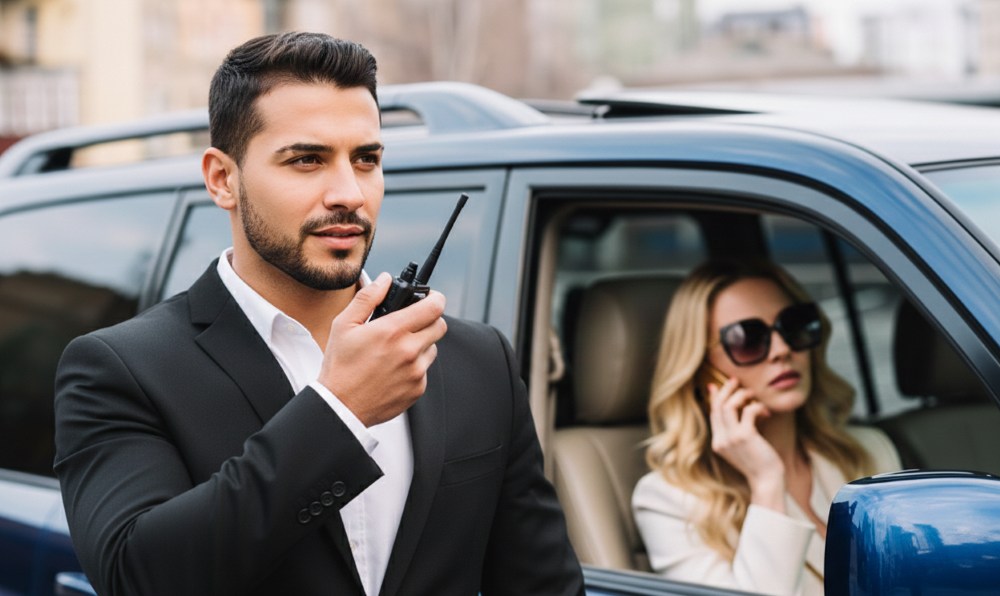
A personal security guard monitors surroundings, controls access, and responds quickly if conditions change—without drawing unnecessary attention.
6. You or Your Family Feel Unsafe at Home
Residential security is not only about alarms and cameras. When concerns involve personal safety, especially with children or vulnerable family members, having a trained professional on-site can make a measurable difference.
Common triggers include:
- Recent break-ins or nearby criminal activity
- Domestic disputes or restraining order situations
- High-net-worth households facing targeted theft risks
Personal security guards can work alongside existing residential security systems, providing human judgment where technology alone falls short.
7. Your Business Operations Expose You to Risk
Certain professions and industries carry inherent safety concerns. These include:
- Legal professionals handling contentious cases
- Healthcare providers in high-conflict environments
- Executives making unpopular decisions (layoffs, policy changes)
Common Misconceptions About Personal Security
Personal Security Is Only for the Ultra-Wealthy or Famous
Personal security is based on risk, not net worth or celebrity. Many clients are business owners, families, or professionals facing situational threats rather than public attention.
Hiring Security Means Something Bad Is About to Happen
In reality, personal security is preventative. Most clients never experience an incident precisely because security measures reduce opportunity and escalation.
Security Guards Are Aggressive or Intimidating
Professional personal security prioritizes discretion, awareness, and de-escalation. The goal is to avoid attention, not attract it.
Personal Security Disrupts Daily Life
Well-executed security blends into existing routines. Most people around you should never notice it.
Technology Alone Is Enough
Cameras, alarms, and tracking tools are valuable, but they cannot interpret behavior, adapt in real time, or make judgment calls. Human presence fills those gaps.
Hiring Security Is Admitting Fear
Personal security is about preparedness and responsibility. It reflects awareness, not weakness.
How to Decide if Personal Security Is Right for You
Deciding to hire personal security does not require a dramatic incident or a confirmed threat. In most cases, it starts with an honest assessment of risk, lifestyle, and exposure. The goal is not to live in fear. It is to make informed decisions before circumstances remove your options.
Start With Risk, Not Emotion
Personal security decisions should be grounded in objective factors, not anxiety or assumptions.
Consider:
- How visible you are in your professional or personal life
- Whether your routines are predictable
- If you handle valuable assets or sensitive information
- How often you travel or attend public events
- Whether past incidents show a pattern rather than a one-time occurrence
If risk is increasing, even gradually, it is worth taking seriously.
Evaluate the Impact on Your Daily Life
A common hesitation is the belief that security will feel intrusive or restrictive. In reality, professional personal security is designed to support your lifestyle, not disrupt it.
Ask yourself:
- Would added security reduce stress or decision fatigue
- Are you already modifying behavior to feel safer
- Would professional oversight allow you to focus better on work or family
If security would simplify your life rather than complicate it, that is a meaningful indicator.
Consider Who Else Is Affected
Personal security decisions rarely affect only one person. Family members, employees, clients, and colleagues may also be exposed to risk through association.
Security may be appropriate if:
- Family members are receiving unwanted attention
- Employees are being placed in protection roles they are not trained for
- Your safety directly impacts business operations or public obligations
Protecting yourself often means protecting others by extension.
Compare Prevention Versus Reaction
Many people wait until a situation escalates before acting. At that point, options are more limited and more expensive.
Preventative security allows for:
- Advance planning rather than crisis response
- Lower long-term costs compared to emergency measures
- Reduced legal, reputational, and personal fallout
Security implemented early is almost always more effective than security added under pressure.
Get a Professional Risk Assessment
The most reliable way to decide is through a professional evaluation. A qualified security provider can assess:
- Threat history and likelihood
- Vulnerabilities in routines, locations, and travel
- Existing security measures and gaps
- Appropriate levels of protection based on real risk
A proper assessment often reveals that protection can be more targeted and less visible than expected.
Understand That Security Is Scalable
Hiring personal security does not have to be an all-or-nothing decision. Protection can be adjusted based on need, including:
- Temporary coverage for travel or events
- Part-time or on-call protection
- Residential or workplace-focused security
- Short-term engagements during elevated risk periods
This flexibility allows security to evolve with your circumstances.
Trust Data, Patterns, and Professional Judgment
One incident may be random. Repeated incidents form patterns. Professional security exists to recognize those patterns before they turn into consequences.
If multiple risk factors apply to your situation, personal security is not an overreaction. It is a rational response to measurable exposure.
Choosing personal security is not about expecting the worst. It is about planning for reality and ensuring that safety does not depend on luck or timing.
Frequently Asked Questions
1. When should you consider hiring a personal security guard?
You should consider hiring a personal security guard when you face credible threats, increased public exposure, frequent travel to high-risk areas, or situations where personal safety feels uncertain. Security is most effective when implemented proactively, not after an incident occurs.
2. Are personal security guards only for celebrities or executives?
No. Personal security guards are commonly hired by business owners, families, legal professionals, and private individuals who face situational risk. Protection is based on exposure and vulnerability—not fame.
3. What does a personal security guard actually do?
A personal security guard focuses on threat prevention through situational awareness, route planning, access control, and emergency response. Their role is to reduce risk and de-escalate situations before they become dangerous.
4. Is hiring a personal security guard discreet?
Yes. Professional personal security guards are trained to operate discreetly and blend into their environment. Effective protection prioritizes low visibility and minimal disruption to daily life.
5. How do you know what level of personal security you need?
The appropriate level of security depends on your lifestyle, routine, travel patterns, and specific risks. A professional security assessment helps determine whether short-term, event-based, or ongoing protection is necessary.

Personal Security: Preparedness Over Fear
Hiring a personal security guard is not about fear, it’s about preparedness, informed decision-making, and protecting what matters most before risk turns into reality.
The most effective protection starts with understanding your specific risks and working with experienced professionals who prioritize prevention, discretion, and strategic planning.
Instaguard Security approaches personal protection from this perspective, focused on assessment, training, and real-world risk management rather than unnecessary force. When personal safety is on the line, partnering with a trusted security provider ensures protection is not reactive, but deliberate, informed, and reliable.