

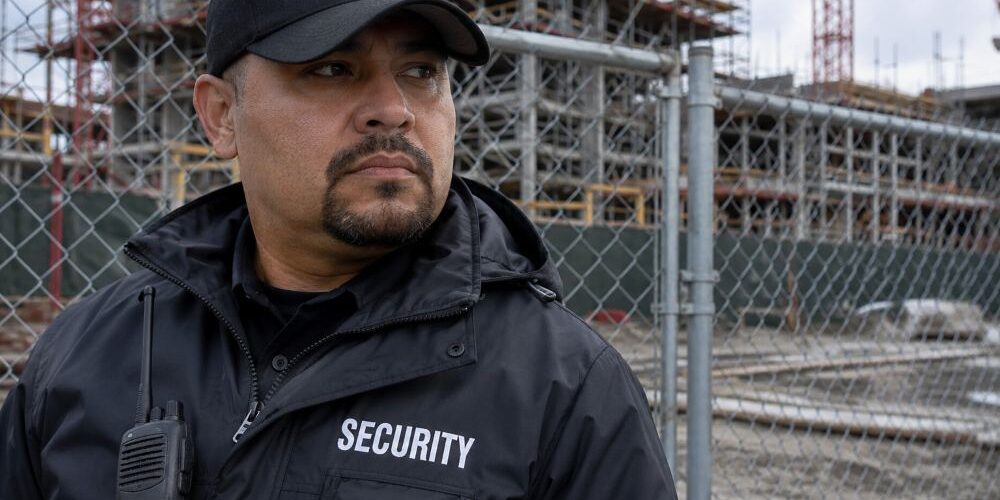
Security guards for construction sites protect workers, equipment, materials, and property by controlling access, patrolling the jobsite, monitoring suspicious activity, documenting incidents, and supporting emergency response. Their main role is prevention: reducing theft, vandalism, trespassing, fire risks, unauthorized entry, and avoidable project disruptions.
Table of Contents
What is a Construction Site Security Guard?
Why Construction Sites Need Dedicated Security
8 Key Responsibilities of Construction Site Security Guards
How to Build an Effective Construction Site Security Plan
Signs a Construction Site May Need Security Guards
FAQ: Security Guards for Construction Sites
Hire Construction Site Guards Who Understand Jobsite Risk
Key Takeaways
- Security guards for construction sites control access, patrol the jobsite, and deter theft, vandalism, and trespassing.
- Construction security supports safety, but it does not replace OSHA, Cal/OSHA, or employer compliance responsibilities.
- Site guards help protect high-value equipment, tools, fuel, copper, lumber, and jobsite materials.
- Daily reports and incident documentation help project managers identify risks and respond faster.
- A strong construction security plan includes risk assessment, access control, written post orders, asset protection, and regular report reviews.
Scope and Safety Disclaimer: Security Guards Support Safety, But They Do Not Replace Compliance Programs
Security guards are not a substitute for OSHA-required safety programs, licensed law enforcement, fire officials, or a site’s designated safety personnel. Their job is to observe, deter, report, document, and escalate issues according to post orders, site policy, state law, and the project’s emergency procedures.
This distinction matters because construction remains a high-risk industry. As of the most recent data available, the U.S. Bureau of Labor Statistics reported that about 20.8% of workplace deaths occurred in construction, and 38.5% of those construction deaths involved falls, slips, or trips. Security can support site control, but safety compliance remains the responsibility of employers, contractors, and site leadership.
What is a Construction Site Security Guard?
A construction site security guard is a trained security professional assigned to protect a job site, control entry, monitor activity, document incidents, and report hazards. The U.S. Bureau of Labor Statistics lists patrols, emergency response, access control, rule enforcement, and report writing as standard security guard duties.
Construction site guards support site control, not construction labor. Guard responsibilities depend on site size, work schedule, neighborhood risk, equipment value, and client instructions.
Common protected areas include:
- Entry gates and delivery zones
- Equipment yards and tool storage
- Temporary offices and trailers
- Perimeters, fences, and staging areas
- Partially completed structures
Why Construction Sites Need Dedicated Security
Construction Sites Are High-Value, High-Risk Environments
Construction sites are attractive targets because they often contain expensive machinery, tools, copper, lumber, fuel, generators, and other materials that can be moved or resold. Unlike finished commercial properties, jobsites may have temporary fencing, changing access points, low after-hours visibility, and multiple subcontractors coming and going. Dedicated construction security helps reduce these gaps. Site guards provide a visible presence, monitor vulnerable areas, and create accountability through logs and reports.
Common Risks Construction Site Security Helps Reduce
Construction security is designed to reduce practical risks that can delay work or increase costs, including:
- Theft of tools, fuel, heavy equipment, and building materials
- Vandalism, graffiti, and property damage
- Trespassing by unauthorized individuals
- Unauthorized access to restricted or hazardous areas
- Missing or undocumented deliveries
- Liability concerns involving visitors or after-hours activity
Fire risk is also a concern. The National Fire Protection Association reported that from 2017 to 2021, local fire departments responded to an estimated average of 4,440 fires in structures under construction per year. After-hours monitoring can help identify early warning signs and escalate emergencies faster.
YOU MAY ALSO LIKE: Hotel Security Guard Services: A Complete Guide to Keeping Guests Safe
8 Key Responsibilities of Construction Site Security Guards
1. Access Control at Entry and Exit Points
Construction site security guards verify who enters and exits the property. This may include checking IDs, badges, delivery paperwork, vendor lists, visitor approvals, and subcontractor access records. They also maintain entry logs, helping project managers track site activity and reduce unauthorized access, trespassing, and theft risk.
2. Patrols Around the Jobsite
Site guards patrol key areas such as gates, fencing, trailers, storage containers, equipment zones, lighting, and isolated sections of the property. During patrols, they look for forced entry, damaged locks, open doors, tampering, broken barriers, or unusual movement. Random patrols also make the site less predictable to trespassers.
3. Theft and Vandalism Deterrence
A visible security presence helps discourage theft, vandalism, and unauthorized activity. Guards monitor suspicious vehicles, loitering, attempted material removal, and after-hours activity. When issues arise, they document, report, and escalate according to site protocol.
4. Monitoring Equipment, Materials, and Deliveries
Construction sites often store valuable assets such as tools, fuel, generators, copper, lumber, and heavy equipment. Guards help monitor these areas, verify authorized deliveries or removals, and document unusual movement. This creates better accountability for materials and equipment.
5. Incident Reporting and Documentation
Incident reports and daily activity logs are key security contractor responsibilities. They help site leaders understand what happened, when it happened, who was involved, and what action was taken. Reports may include timestamps, locations, photos when allowed, witness details, vehicle descriptions, and escalation steps.
6. Emergency Response Support
Security guards may be the first to notice an after-hours emergency, such as a fire, break-in, medical issue, flood, or hazardous condition. Their role is to contact emergency services, notify supervisors, open access points, and direct responders to the correct area.
7. Fire Watch and Hazard Observation
When properly assigned and trained, construction site guards may support fire watch duties. They can watch for smoke, sparks, unauthorized hot work, blocked access routes, unsafe storage, or exposed ignition sources. They may also report obvious site concerns without replacing the role of safety managers or OSHA-required safety personnel.
8. Enforcing Site Rules and Restricted Areas
Site guards help enforce access rules and keep unauthorized people out of restricted areas. They may remind visitors to check in, stop after-hours entry, and report repeated violations to management. This helps maintain order on busy jobsites with workers, subcontractors, vendors, inspectors, and visitors.
READ MORE: How Security Guards Help Protect Workers on the Job
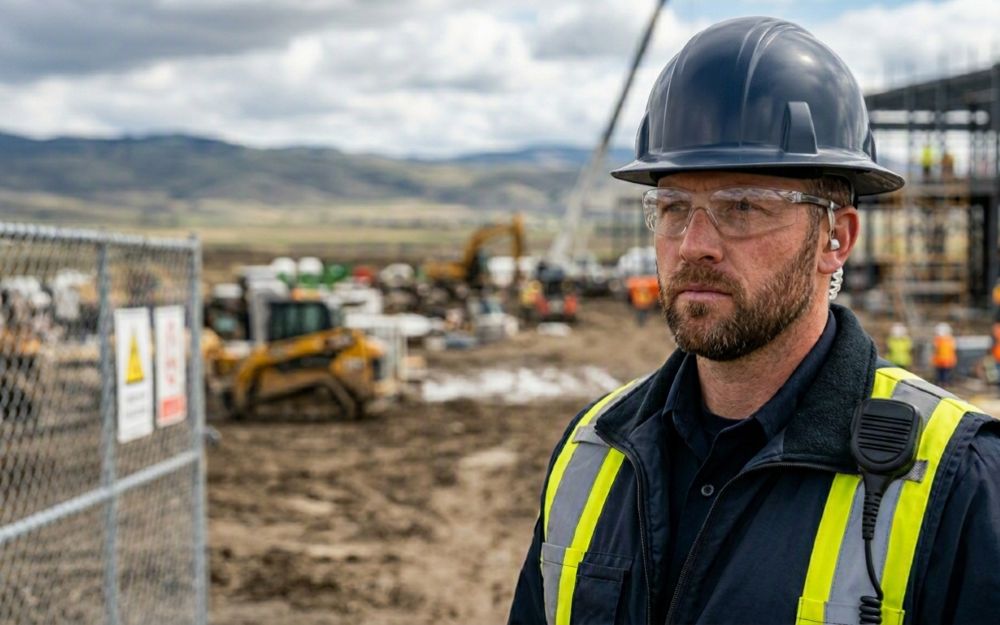
How to Build an Effective Construction Site Security Plan
Step 1: Assess the Site’s Risk Level
Start by reviewing the project size, location, crime history, equipment value, materials stored on-site, lighting, public exposure, and prior incidents. A remote residential build has different risks than a large commercial project in a dense urban area.
Step 2: Identify Critical Access Points
Map the main gate, delivery entrance, pedestrian access points, parking areas, emergency access routes, and weak spots in temporary fencing. Guards should know which areas are open, restricted, locked, or monitored.
Step 3: Define Guard Duties in Written Post Orders
Post orders should explain patrol schedules, access rules, emergency contacts, delivery procedures, reporting requirements, restricted areas, and escalation steps. Written instructions reduce confusion and help guards act consistently.
Step 4: Protect High-Value Assets
Store tools, fuel, copper, machinery, and generators in controlled areas whenever possible. Use locked containers, lighting, asset logs, sign-out procedures, and GPS tracking where appropriate. Guards should know which assets are most critical.
Step 5: Coordinate Security With Site Management
Security works best when guards communicate with superintendents, project managers, safety managers, and subcontractor leads. Site conditions change quickly, so security instructions should be updated as the project evolves.
Step 6: Review Reports and Adjust Coverage
Daily reports can reveal recurring problems such as weak fence areas, repeated gate issues, suspicious vehicles, missing delivery records, or after-hours activity. Use these patterns to adjust patrol routes, guard hours, lighting, or access procedures.
Signs a Construction Site May Need Security Guards
High-Value Equipment or Materials Are Stored On-Site
If machinery, copper, lumber, fuel, generators, or specialized tools remain on-site overnight, security guards can help reduce exposure.
The Site Has Experienced Theft or Vandalism
A prior incident is a strong signal that the site has vulnerabilities. Security coverage can help document activity and deter repeat issues.
The Site Is Open, Remote, or Poorly Lit
Sites with weak fencing, multiple access points, limited lighting, or low visibility are easier targets.
Work Continues Across Multiple Shifts
Night work, weekend schedules, and extended project hours increase the need for access control and clear documentation.
There Are Many Subcontractors or Visitors
The more people entering a site, the more important it becomes to verify access and maintain accurate logs.
FAQ: Security Guards for Construction Sites
What do security guards for construction sites do?
Security guards for construction sites control access, patrol the property, deter theft and vandalism, monitor equipment and materials, document incidents, and support emergency response.
Are construction site security guards responsible for safety compliance?
No. Guards may observe and report hazards, but OSHA and Cal/OSHA compliance remains the responsibility of the construction employer, general contractor, and designated safety personnel.
Do construction site security guards prevent theft?
They help reduce theft risk through visible deterrence, access control, patrols, documentation, and fast reporting. No security measure can guarantee that theft will never occur.
What should a security guard check on a construction site?
A guard should check gates, fences, locks, lighting, trailers, storage containers, equipment areas, visitor logs, restricted zones, and signs of unauthorized activity.
Are construction site guards needed after hours?
Often, yes. Theft, vandalism, trespassing, and fire risks can increase after crews leave, especially when valuable equipment or materials remain on-site.
Hire Construction Site Guards Who Understand Jobsite Risk
Construction site security works best when it is planned around the actual risks of the project, not treated as a generic guard post. Effective site guards help control access, deter theft, document activity, support emergency response, and protect the schedule by reducing preventable disruptions. For construction projects in California, Instaguard is a practical choice for professional construction security support.